Skip navigation



You’ll hear more and more on site that recycled aggregates are the greener option for construction. They make better use of what’s already been dug up, and take some of the pressure off bringing in fresh quarried material.
However, there are still some misconceptions around how recycled materials measure up to newly quarried ones. Some assume that recycled aggregates are more expensive because they’ve been processed, or that they’re a specialist option rather than something widely used. In reality, they’re often more affordable, easier to produce, and readily available, especially when sourced locally or reused on site.
That said, quarried aggregates still have their place. On higher spec jobs, or where a particular finish is required, they’re often the better fit.
In our latest article, we’ve put together a simple guide on how recycled and quarried aggregates differ, and where each one makes sense on site.
Quarried aggregates
Quarried aggregates are materials extracted from the ground, then crushed and graded to size. Think rock, gravel and limestone – the sort of materials that have been used in construction for years.
One of the main advantages of quarried materials is consistency and reliability. The size, shape and strength are tightly controlled, and they tend to have a more uniform appearance with a cleaner, purer colour. This makes them the first choice for any jobs where the finish is visible or where a specific look is required.
Projects involving highways, railways, or structural frameworks often come with strict guidelines on what materials can be used. In those cases, local authorities or developers may specify quarried aggregates to meet those standards.
That said, they do come with a heavier environmental footprint. Extracting fresh material has a direct impact on the landscape, and because quarries aren’t always local, it can mean more miles on the road getting it to site, which adds to overall carbon emissions.
Recycled aggregates
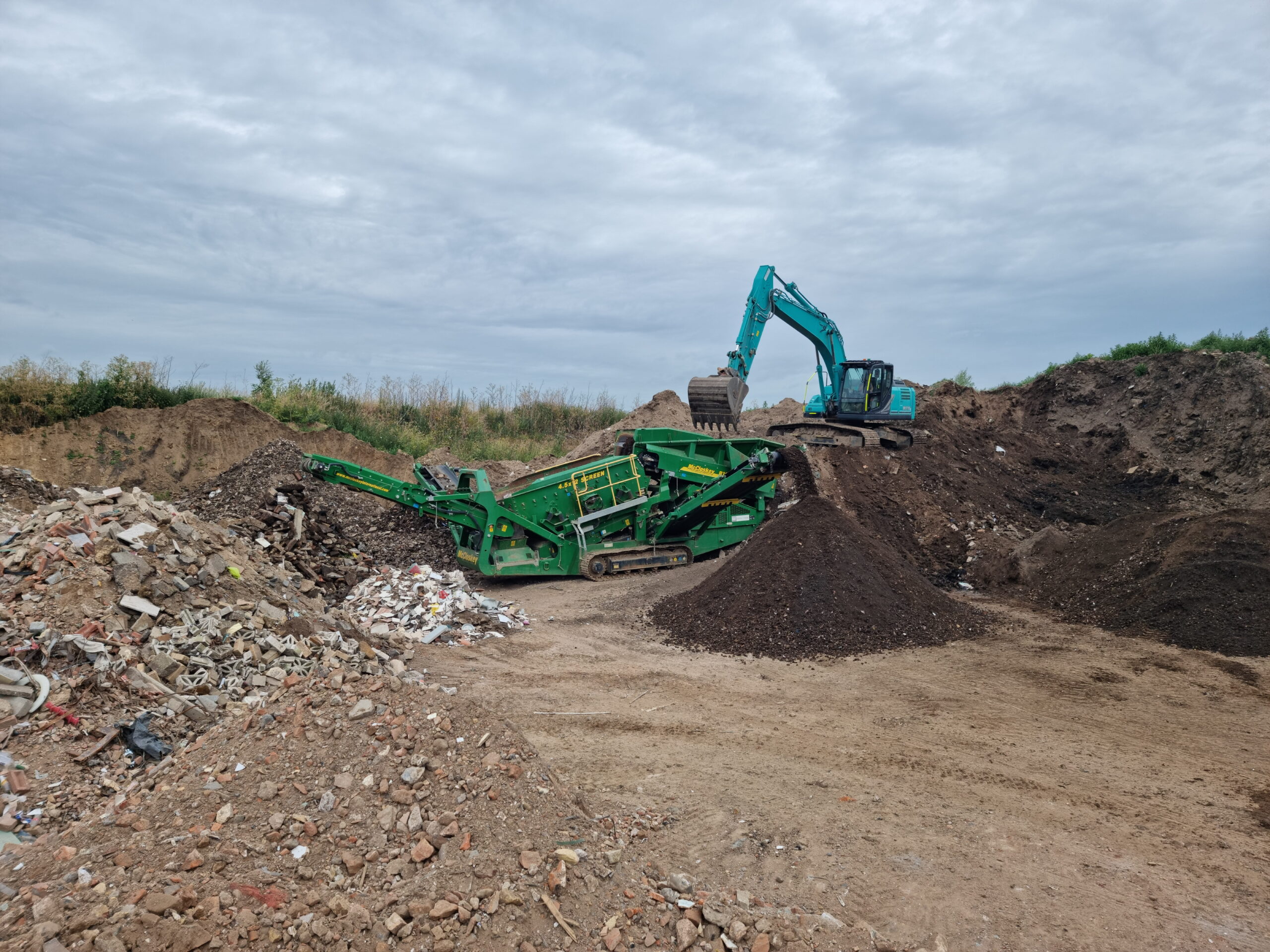
Recycled aggregates are made by crushing and screening materials that have already been used in construction. They typically come from demolition waste such as concrete, brick and asphalt, which is processed and turned back into usable material.
Materials like road planings, crushed concrete and recycled hardcore are becoming more widely used across construction, largely due to their environmental benefits. By repurposing demolition waste, it reduces landfill and lowers the demand for newly quarried materials.
They also make sense on the cost side. Recycled aggregates are often more affordable than quarried materials, particularly when they’re produced locally. In some cases, material from a demolition or dig-out can be crushed and reused on site, cutting down on both material costs and haulage. That makes them a practical choice for sub-bases, bulk fill, farm tracks and yards where a solid, reliable base is needed.
There are a few things to be aware of. Because recycled aggregates come from mixed sources, there can be some variation in the material. While it’s processed and graded, it may not have the same level of uniformity as quarried aggregates. That can make it less suitable for jobs where appearance matters or where a tighter specification is required. On higher spec projects, primary materials may still be needed to meet regulations.
Key differences that matter on site
Aside from where each material comes from, there are subtle differences in how quarried and recycled aggregates behave on site. It’s not a case of one being better than the other, but those differences do shape where each one is best used.
Compaction:
While both materials compact nicely, recycled aggregates often have the edge here. Crushed concrete, for example, tends to bind together once it’s laid, which makes it a solid option for farm tracks or yard areas that need to stand up to regular traffic without constant topping up.
Availability and timing:
If you’re working to a tight schedule or need additional material at short notice, being able to source recycled aggregates locally or reuse what’s already on site can save a lot of waiting around. It’s not unusual on a demolition job to crush waste on site in the morning and start laying sub-base that same afternoon. Quarried stone, while more predictable, relies on haulage, lead times and what’s in stock.
Building specs:
Where things tighten up is on spec-driven jobs. If you’re working on a project with strict engineering requirements, you’ll usually be told exactly what to use. In those cases, it’s less about reference and more compliance.
Traditionally, that meant quarried aggregates because of their consistency, predictability, and uniform appearance. On projects where finish and tight tolerances matter, a high level of control is required.
That said, things are starting to shift. More companies and developers are now specifying recycled aggregates as part of their requirements to meet green initiatives.
Recycled materials don’t come without standards either. When they’re properly processed and screened, they can be produced in line with specification and used with confidence on a wide range of jobs.
In the end, it comes back to what the project needs. If the spec calls for absolute consistency or a specific finish, quarrying will usually be the route. If there’s more flexibility, recycling is becoming a more common choice than it used to be.
Which one should I choose?
In most cases, it comes down to the job in front of you.
If you’re working on general groundwork like a driveway, yard, farm track or site strip, recycled aggregates are often the sensible, most cost effective choice.
If you’re working to a strict specification, that decision may already be made for you. Projects involving highways, rail or structural elements often require quarried aggregates because of their predictable performance.
There are also jobs where appearance matters. If the finish is going to be visible or needs to match a certain look (for example a landscaping project) quarried materials tend to give you a result that’s more pleasing to the eye.
Timing can play a part too. If you need material quickly or you’ve already got usable waste on site, recycled aggregates can keep things moving without waiting on a third party to deliver.
In reality, most sites use a mix of both. It’s not about choosing one over the other, it’s about using the right material in the right place.
Put simply, choose recycled where flexibility, cost and availability matter. On the flip side, quarried aggregates come into their own where consistency, finish and specification are key.
Need a hand choosing the right material?
At Gamble Plant, we deliver both recycled and quarried aggregates across Norfolk, with a discounted rate per tonne on bulk orders. Our approachable team is always happy to help you choose what’s right for the job without overcomplicating it.
Contact the team today via 01328 862659, or order online for rapid delivery across Norfolk.