Skip navigation




Here at Gamble Plant, we deliver aggregates to sites across Norfolk from our yard in Fakenham. Our haulage work covers much more ground. Larger jobs regularly take our lorries out across the Midlands and beyond, moving all sorts, from plant and machinery to commercial waste, wood and green waste.
Our fleet includes skip lorries, Roros, tippers, and arctic tractor units, which pull our walking floor and low loader trailers, with the adaptability to offer regular contract work and one off jobs.
In this guide, we’ll walk you through how bulk haulage works and which vehicle fits your job.
Bulk haulage in a nutshell
You know the drill. Something big or heavy needs to get from A to B. That’s where we come in.
Most of what we move falls into two camps. The first is loose material like sand, gravel, topsoil, crushed concrete, and recycled aggregates. We also collect commercial waste, wood and green waste, and recycle as much of it as we can rather than letting it go to landfill.
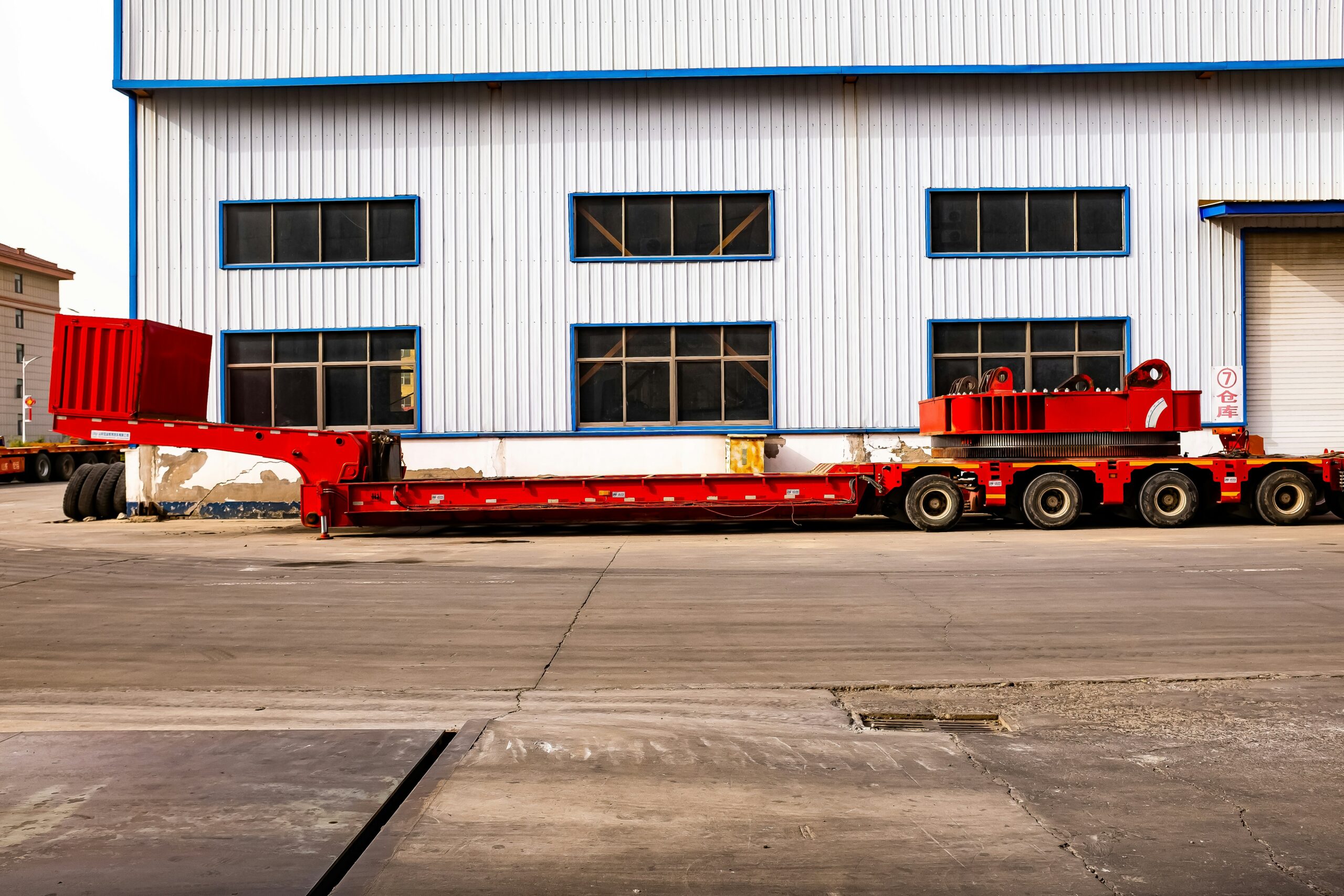
The second camp is the heavy kit. Diggers, dumpers, and other plant and machinery travel on our low loader trailers, which sit close to the ground so machines can drive straight on and off.
Meet the fleet
We run a mix of vehicles from our yard in Fakenham, and each one earns its keep in a different way. Our arctic tractor units pull the larger trailers, including walking floors and low loaders on longer runs and heavier jobs. Having all of this in house lets us keep regular contract work ticking over while still fitting in one off deliveries.
Here’s a closer look at the two trailers that raise the most questions.
How walking floor trailers work
From the outside, a walking floor trailer looks like any other box trailer. The clever bit is underfoot. The floor is made of long metal slats that slide back and forth in a set pattern, gradually shuffling the load towards the back doors until it moves itself out. The trailer never lifts, so it stays level the whole time it unloads.
This makes a real difference on sites with overhead cables or soft ground. A tipper has to raise its body high in the air, which can be risky near power lines and can make the lorry unstable on uneven ground. A walking floor doesn’t have that problem, so the driver can unload at a steady pace, in one heap or spread out along the ground.
Walking floors also hold more than a tipper, which makes them ideal for lighter, bulkier loads like woodchip and green waste, as well as general commercial waste. The trailer is fully enclosed, so less of the load blows about on the journey, which keeps the roads tidier and the neighbours happier.
Walking floors can carry aggregates too. That means a lorry dropping off green waste can often load up for the return trip instead of driving back empty.
How low loader trailers work
A low loader is a flat trailer with a deck that sits close to the ground. The design is intended to keep the loading ramps at a gentle enough angle for the kit to drive straight on and off. It also keeps the overall height of the load down, so tall machines have extra clearance under bridges and overhead cables.
We use ours to move diggers, dumpers, rollers and other plant equipment between yards and sites, along with heavy equipment like generators and site cabins. Once a machine is on board, our drivers chain and strap it down tightly to make sure it’s secured.
Before we book a move in, we’ll ask about the machine’s weight and size and what the access is like at both ends. Some larger loads need extra planning before they can travel, so the more we know early on, the smoother the move.
Contractors with plant moving between jobs every week can set up regular runs with us so that their kit turns up where it needs to be.
Which trailer suits the load
Still weighing up your options? Here’s a quick side by side comparison to help you narrow it down.
| Walking floor | Low loader | |
| What it carries | Bulky loads such as woodchip, green and commercial waste, or aggregates. | Plant, machinery and heavy equipment. |
| How it unloads | Moving floor slats push the load out while the trailer stays level | Machines drive off down the ramps |
| Suitability | Sites with overhead cables, soft ground or low headroom. | Sites with room to drop the ramps and a clear path for the machine. |
Keeping your waste haulage above board
Waste comes with rules attached, and they apply to you as well as whoever takes it away. Under duty of care, your business stays responsible for the waste it produces until it’s handed to someone authorised to deal with it. That means a rogue operator dumping your waste in a lay-by can leave you facing the fine.
That’s why we hold a waste carrier’s licence from the Environment Agency. It means we’re authorised to move other people’s waste, and it comes with a legal duty to dispose of it responsibly. We tip at our own permitted site, which keeps the whole journey in one pair of hands. On every job involving waste, we’ll tell you where your load is heading and how it gets dealt with once it arrives.
Cutting waste where we can
Every lorry on the road burns fuel, so we try to make every trip count. Planning loads means fewer half empty runs, and our team looks for chances to backload.
Plenty of what we collect gets a second life too. Concrete, brick and hardcore can go through our crushing and screening plant, which breaks materials down into recycled aggregates.
Ready to get moving?
Booking with us is straightforward. A quick chat with our team is all it takes, and having a few details to hand speeds things along.
- What you’re moving and roughly how much of it.
- The collection and delivery address.
- Anything tricky about site access, e.g narrow lanes, height restrictions, etc.
- When you need it done.
From there, we’ll match your job to the right lorry and trailer and give you a quote. One off jobs and regular contract work are both welcome, and we can set up regular runs for contractors with plant or waste on the move every week.
Give us a ring on 01328 862659 or fill in our enquiry form to tell us what needs shifting. We’ll take it from there.